Tres corredores dominan la conversación del real estate premium en México: Yucatán (Mérida y su zona metropolitana norte), la Riviera Maya (Tulum-Playa del Carmen-Puerto Morelos) y la Riviera Nayarit (Punta de Mita-Sayulita-Bucerías). Los tres tienen demanda internacional, oferta de lujo y un atractivo claro. Pero sus tesis de inversión son diferentes — y entender esa diferencia es más valioso que cualquier comparativo de precio por metro cuadrado.
Yucatán: plusvalía patrimonial con certeza
El argumento de Yucatán no es el rendimiento vacacional — es la plusvalía sostenida y la certeza jurídica. La combinación de un mercado de compradores de largo plazo (segunda residencia, retiro, mudanza permanente), una oferta restringida de suelo premium y una demanda creciente desde el mercado americano y de otras ciudades de México genera un tipo de apreciación diferente: más estable, menos especulativa, más resistente a los ciclos turísticos.
Indicadores Yucatán (2024–2026):
- Apreciación de vivienda en Yucatán: 10.6% anual (Índice SHF), top 3 nacional vs. 8.7% del promedio del país
- Demanda de renta mensual en Mérida norte: alta, impulsada por relocalización corporativa
- Riesgo regulatorio: bajo — marco legal estable, bajo índice de litigios
- Seguridad: índice Numbeo más alto del país
- Liquidez: mercado en crecimiento con compradores activos
Riviera Maya: yield vacacional alto, riesgo también
Tulum y el corredor norte hasta Puerto Morelos ofrecen los yields de renta vacacional más altos del país — en los meses pico, algunas propiedades generan entre 18 y 22% de rendimiento bruto anual sobre el precio de compra. El problema está en lo que esas cifras no muestran: saturación del mercado en algunos segmentos, incertidumbre regulatoria en zonas de manglares y cenotes, y una dependencia alta del turismo internacional que se demostró frágil en 2020.
Riviera Nayarit: escasez real, precio ya alto
Punta de Mita es quizás el mercado más maduro de los tres — con precios que ya reflejan décadas de demanda de ultra-lujo norteamericana. El suelo disponible es escaso, los precios por metro cuadrado son los más altos de México después de Los Cabos, y la barrera de entrada limita el universo de compradores. La apreciación futura, aunque real, es menor en términos porcentuales precisamente porque el mercado ya procesó gran parte de su crecimiento.
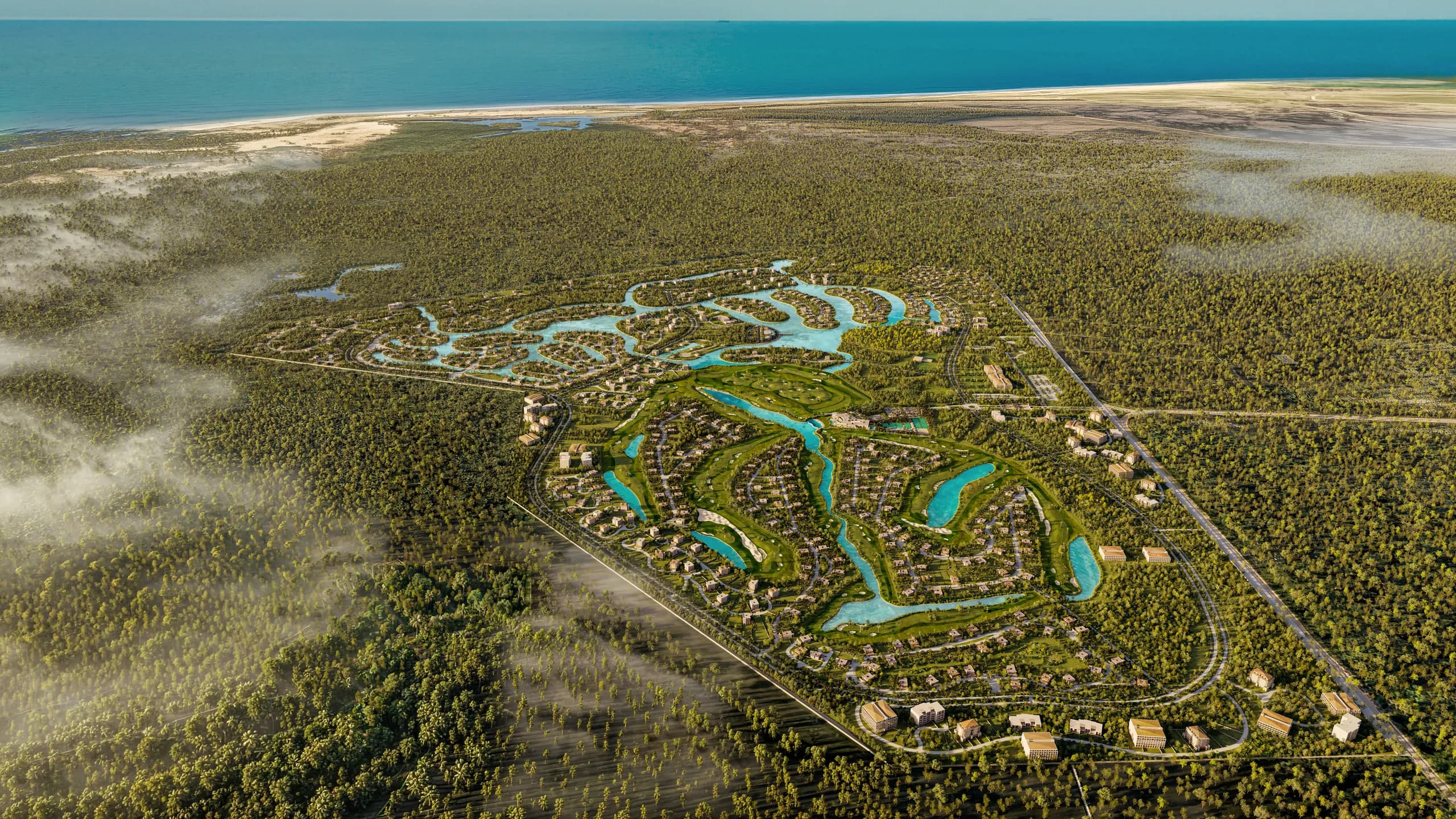
La tesis de Country Lakes
"Entrar ahora en un corredor que todavía está en formación, con amenidades de clase mundial ya definidas, es la oportunidad que en Punta de Mita ya no existe y en Tulum tiene demasiado ruido."
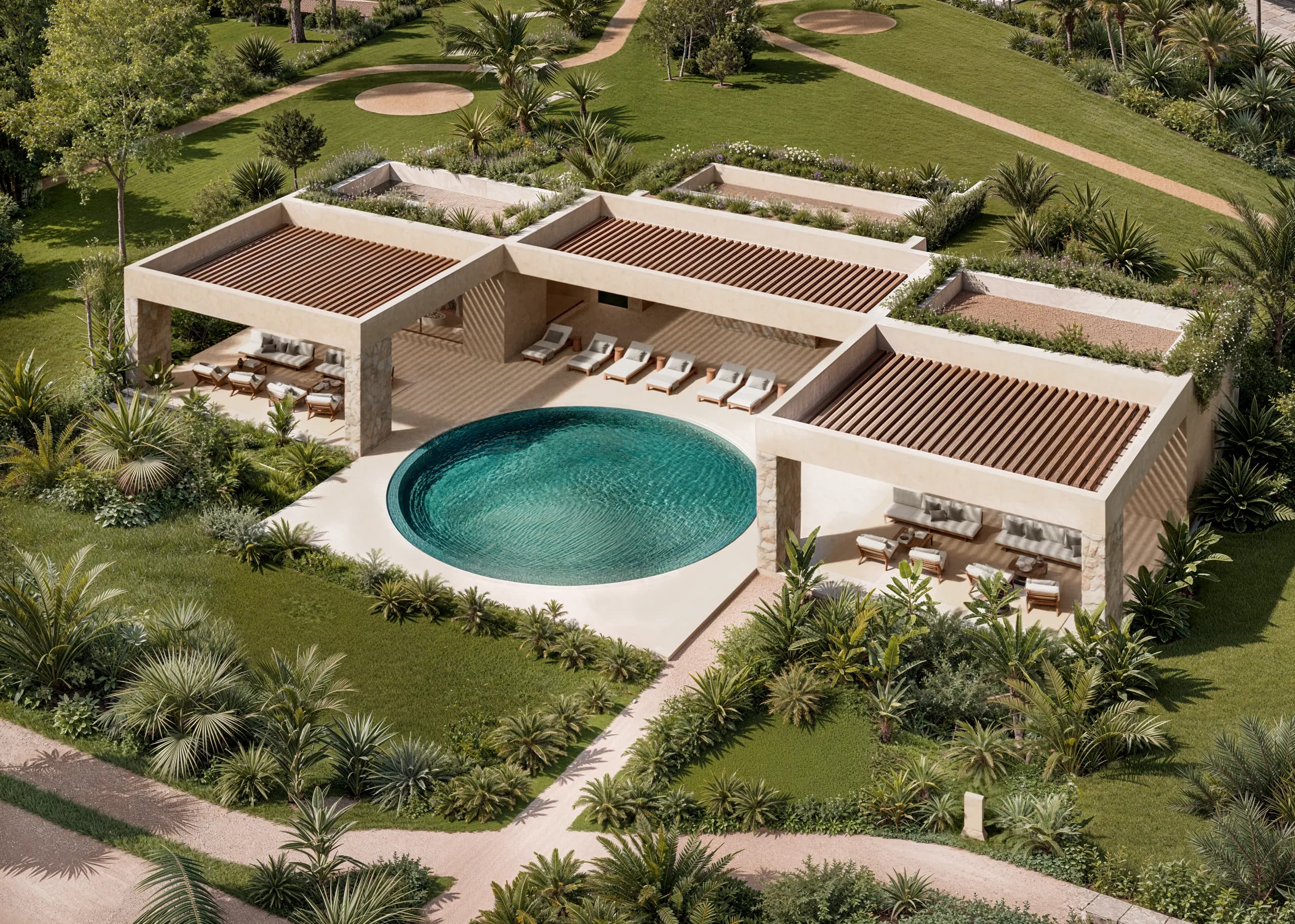
Country Lakes representa el vector que los otros dos no ofrecen al mismo tiempo: plusvalía patrimonial alta en un mercado en formación, con certeza jurídica de primer nivel, amenidades que elevan el precio de piso del entorno, y una marca internacional (EDSA, Artigas, Letsche) que sostiene el posicionamiento de largo plazo. No es la opción más especulativa — es la más sólida.